NWK at Schmalkalden University of Applied Sciences
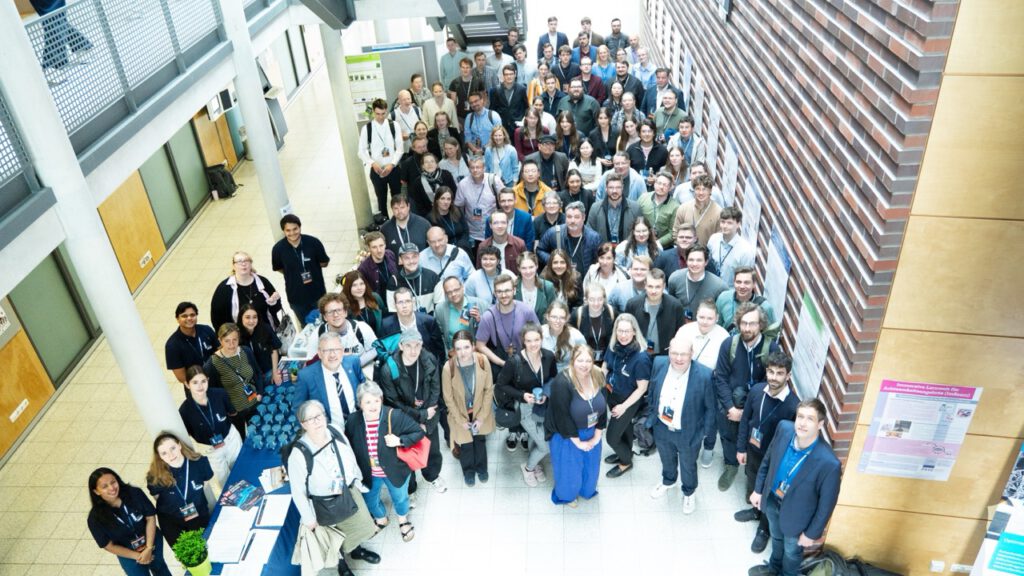
Under the motto “Understanding – Explaining – Shaping,” Schmalkalden University of Applied Sciences had the pleasure of hosting the 26th Conference for Early-Career Researchers (NWK) in mid-May, bringing together more than 125 early-career researchers from 30 institutions across eight federal states in southern Thuringia. Over the course of two days, participants were offered not only a diverse and intensive programme spanning multiple disciplines and formats, but also an open space for academic exchange, networking, and discussion.
The NWK is fundamentally aimed at researchers in the early stages of their careers—from advanced students to doctoral candidates—and seeks to support them in a targeted way. Through a cooperative atmosphere, a collegial environment, and the conference’s inclusive orientation, participants are encouraged in taking their first steps in academic life, from giving presentations to engaging with review procedures and presenting posters. This combination of academic rigor and dedicated support for emerging scholars forms the unifying core principle of every NWK.
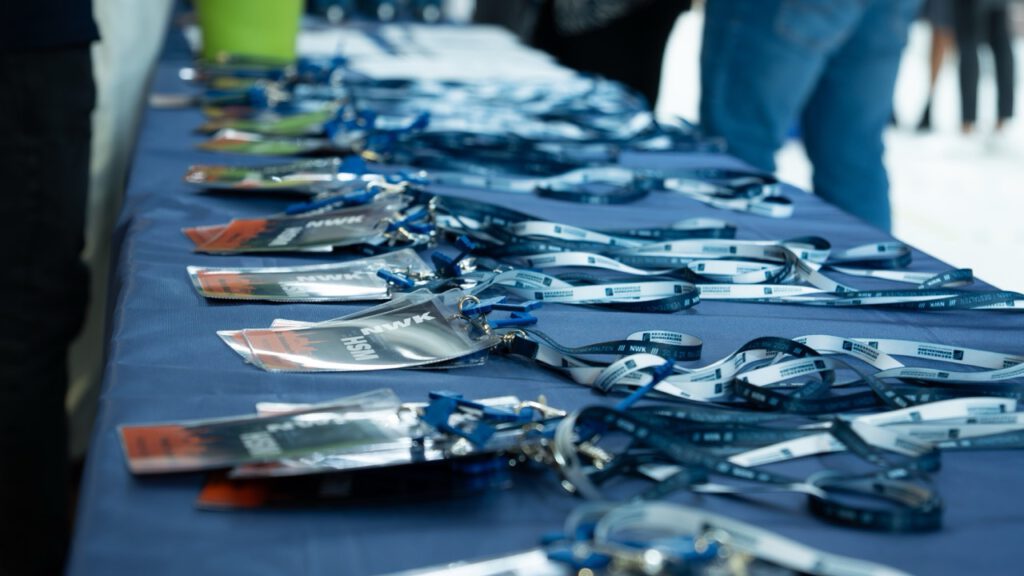
This was already the third time that the NWK had been held in Schmalkalden. The university was therefore able not only to draw on its own experience with the conference format, but also to stay in close organizational exchange in advance with Merseburg University of Applied Sciences, the host institution of the anniversary conference. The changing host locations are a distinctive feature of this conference and require, alongside the commitment of the participating institutions, a coordinating network to ensure continuity. The spirit of the NWK is reflected in this supraregional, committed, and engaging orientation.
In Between Spaces
Another defining feature of the NWK is its pronounced interdisciplinarity. Alongside fields such as engineering, information and communication sciences, and applied natural sciences, contributions were also presented from health sciences, life sciences, architecture and design, and social sciences, among others. In this way, the conference reflected almost the full breadth of Germany’s academic and research landscape. For a small and specialized university such as Schmalkalden, this represents a welcome broadening of perspective, since other disciplines bring different viewpoints, approaches, and methods to the green campus. The great challenge of interdisciplinarity lies in making diversity productive: formats such as the NWK, which not only allow but actively encourage direct exchange across perceived disciplinary boundaries, see themselves as bridge-builders—as an in-between space.
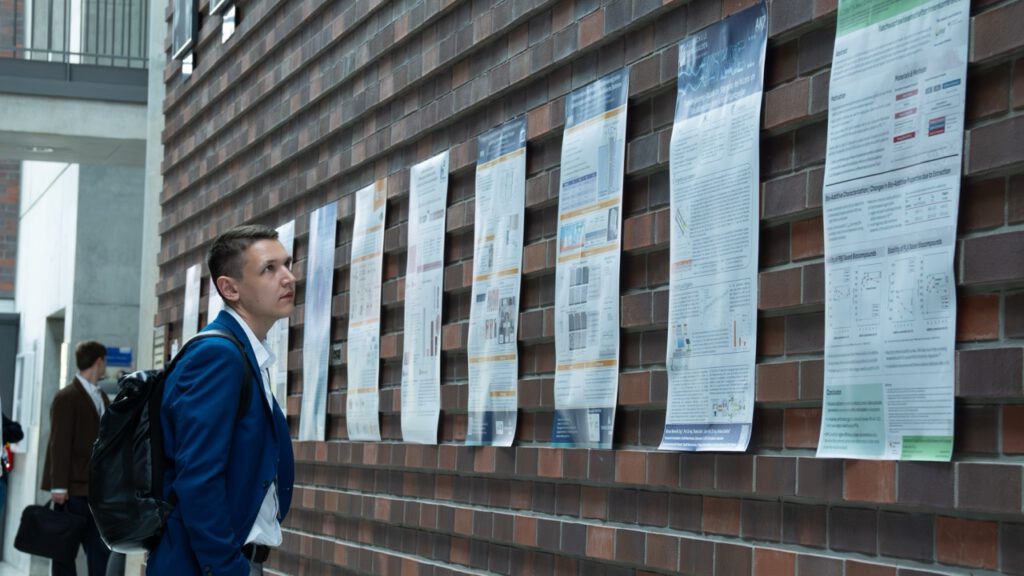
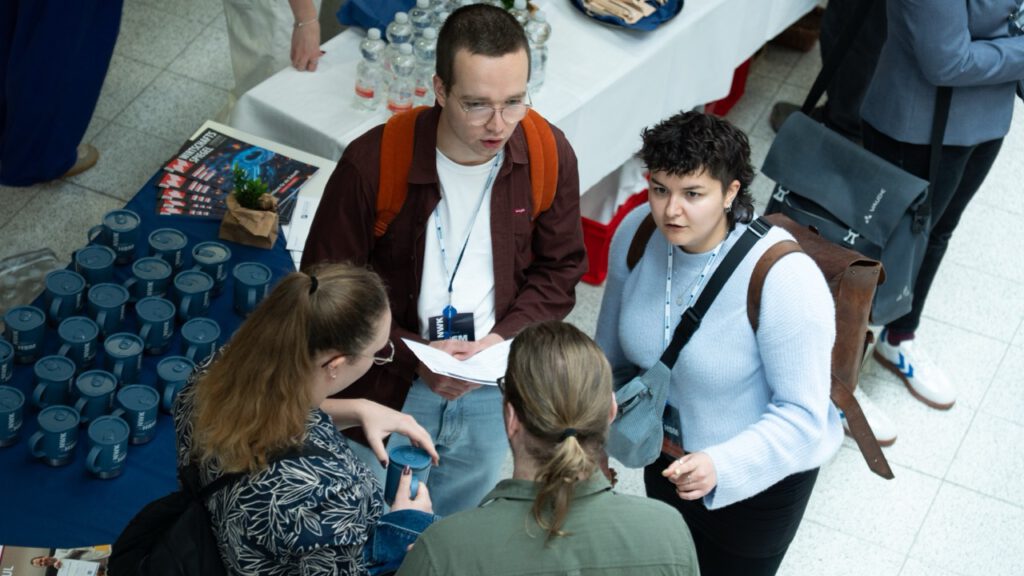
Researchers were able to present their projects in talks, discussions, and posters, to discuss research questions across disciplinary lines, and to establish contacts for their academic careers. At the same time, the conference offered them the opportunity to exchange ideas with others in similar positions and facing similar challenges. The prolonged and intensive engagement with specific topics, the constant emotional ups and downs inherent in research, and entry into research networks and disciplinary publics are all part of what early-career researchers encounter. This exchange about shared experiences in the early phases of an academic career is another central concern of the NWK.
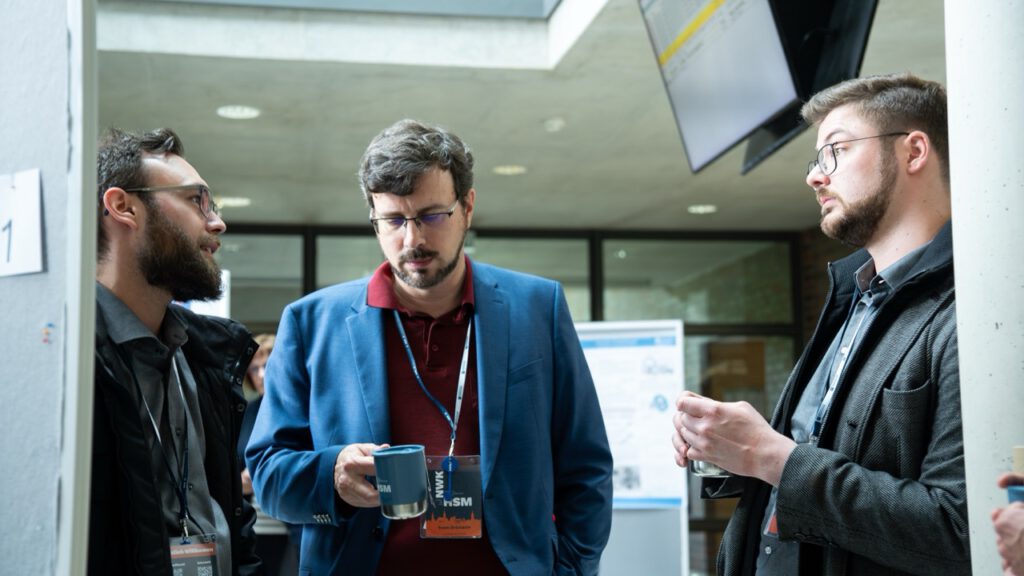
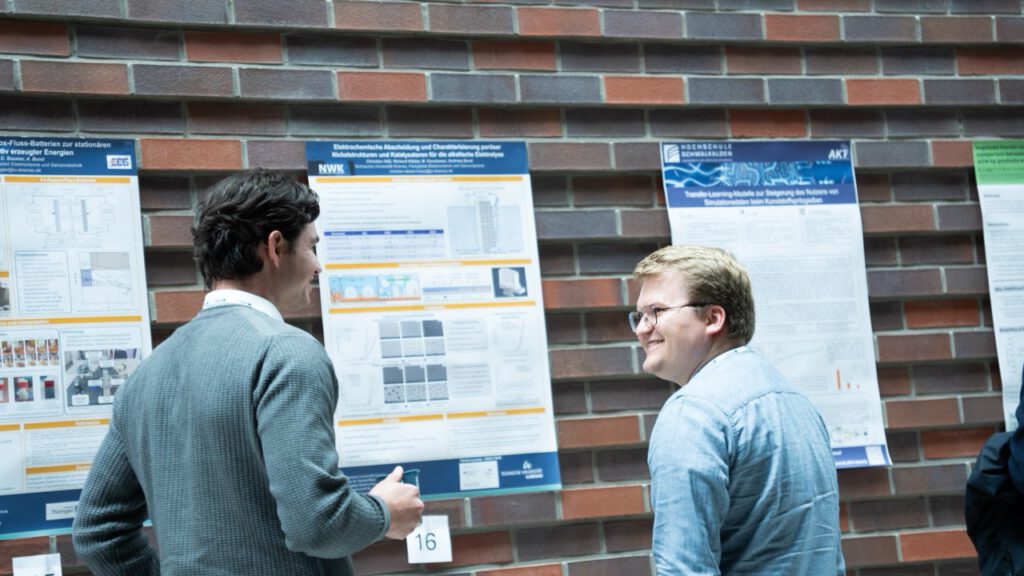
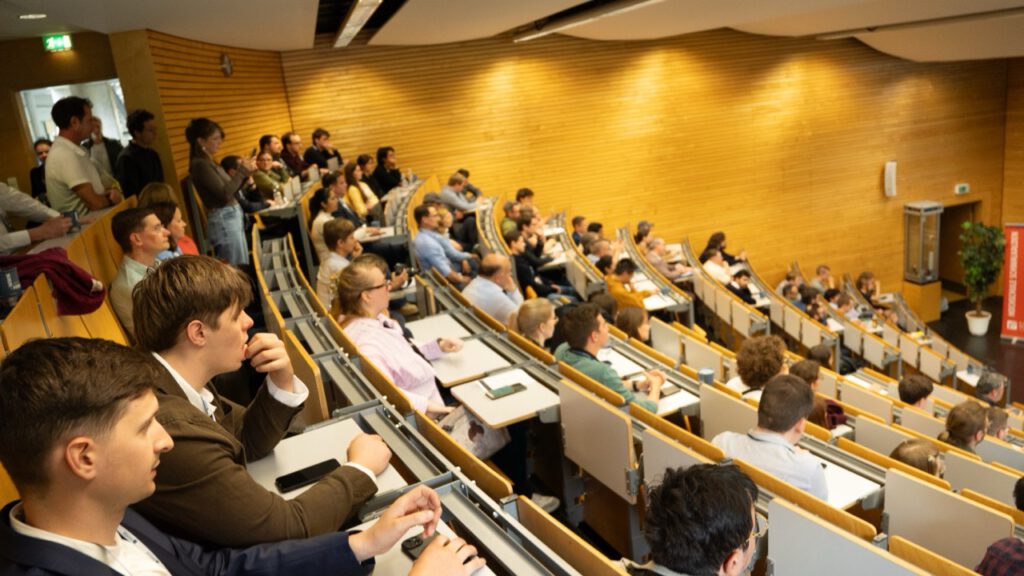
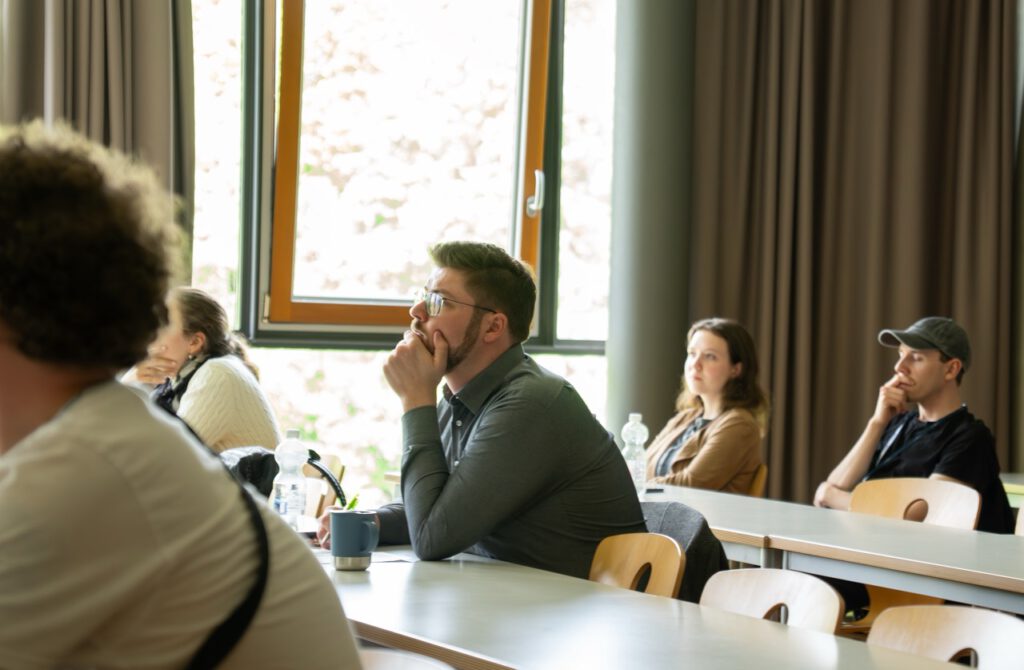
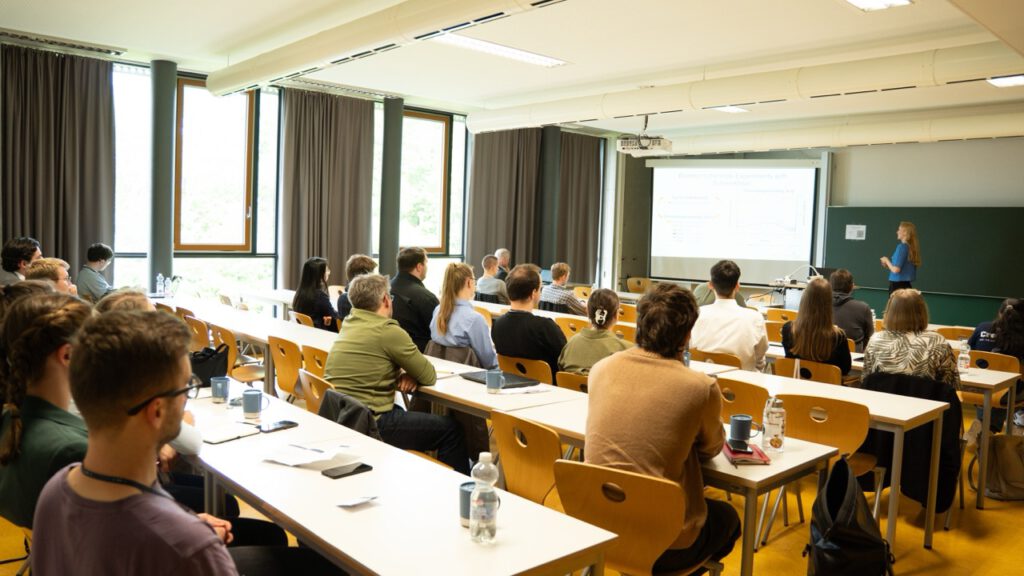
Alongside this theme in its full breadth between “profession and vocation,” science was also present in the sense of its discursive practice. Despite the disciplinary and thematic breadth, the many individual sessions were not only well attended, but consistently accompanied by an interested and committed audience whose constructive questions helped sharpen both presentations and project concepts. This atmosphere of collegial cooperation and mutual learning sustained the entire conference and enriched it immensely.
Understanding // Explaining // Shaping
This was the motto that served as the overarching framework for the conference, intended to highlight the various spaces of possibility and impact within research and transfer.
Understanding is the fundamental motive of research: science is conducted by people, by researchers who want to understand, who are curious, and who seek to get to the bottom of things, phenomena, and processes. Even if disciplines, approaches, and objects of inquiry sometimes differ greatly from one field to another, the desire to understand something remains a unifying principle—one that also brings together and holds together the disciplinary plurality of this conference.
Explaining means not only making something tangible, but also being able to derive, justify, and define it for oneself or for others. Consequently, explaining has a communicative potential that is directed outward, toward colleagues or broader publics. To explain means to make something comprehensible. This aspiration to reflective justification in turn requires that one has thoroughly engaged with the relevant topics and questions, while at the same time being able to take a reflective distance from the depths of scientific specialization in order to speak about a research project and its focus. This challenge of mediation and translation was one that the early-career researchers encountered in presenting their projects.
Shaping, as the third and final element of the triad, places a clear emphasis on application, though the practical use of research findings is by no means limited to innovative technologies. More generally, shaping is about improvement—whether within human coexistence in the context of social, administrative, economic, or cultural problems, or within an engineering horizon aimed at functional, material, or procedural optimization. At the same time, applied natural sciences and life sciences open up entirely distinct spaces of possibility for application.
NWK26 took up this triad and sought simultaneously to emphasize each of its individual aspects while productively linking them in the spirit of an in-between space.
The Contributions
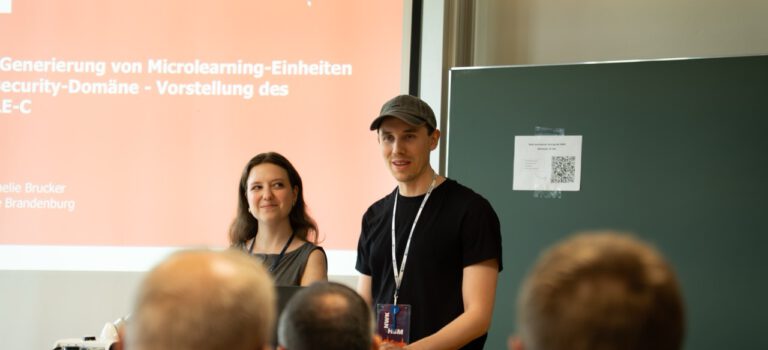
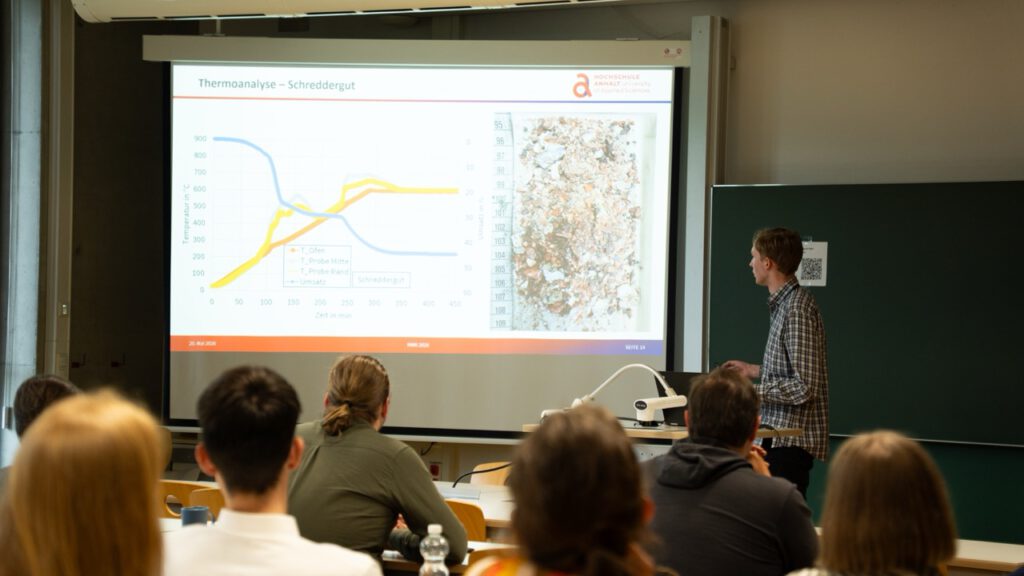
A total of around 80 academic contributions were presented, including 60 talks and more than 20 posters, all of which had previously undergone a review process to assess their academic quality. This meant that full papers and poster abstracts had to be submitted by May. These were then reviewed by several experts and evaluated using a differentiated scale covering aspects such as the scientific quality and innovativeness of the project.
The topics addressed were correspondingly diverse: they included technological innovations in additive manufacturing and materials development; digitalization and artificial intelligence—for example in the classification of MRI and EEG data, in explainable robotics, or in AI-supported instructional design; sustainable production and energy systems such as bio-based plastics, hemp-based materials, or concepts for decentralized energy supply; medical and health-related questions ranging from biosensors and heart valve models to stress management in nursing; as well as social, economic, and legal perspectives, for instance on digital sovereignty in EUDI wallet architectures. The contributions thus ranged from highly specialized engineering research to life sciences and health sciences, and on to issues of digital transformation and sustainable development.
Since it is unfortunately not possible here to present every project in due detail, we focus on the award-winning contributions. All contributions can be accessed freely in the conference proceedings.
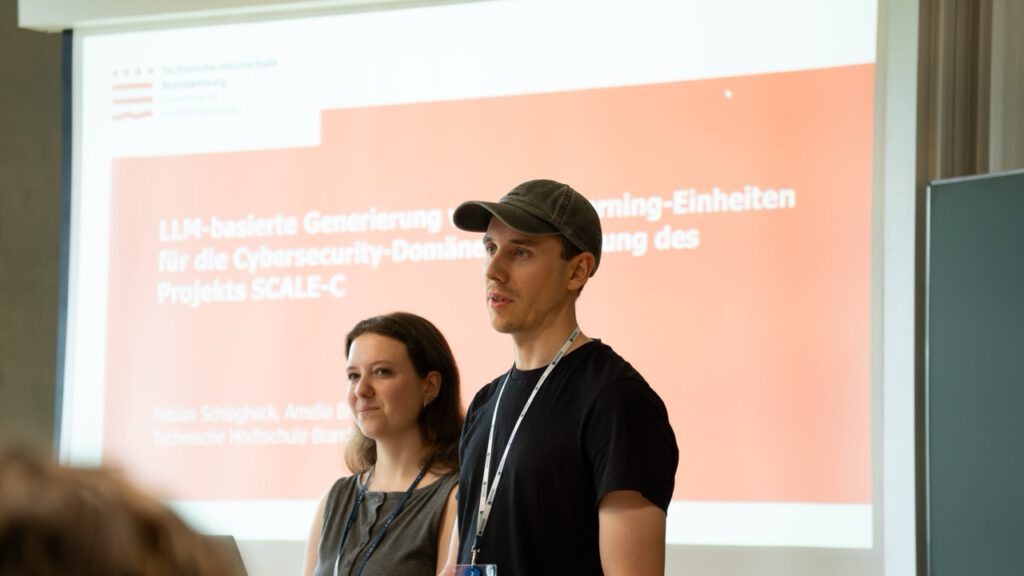
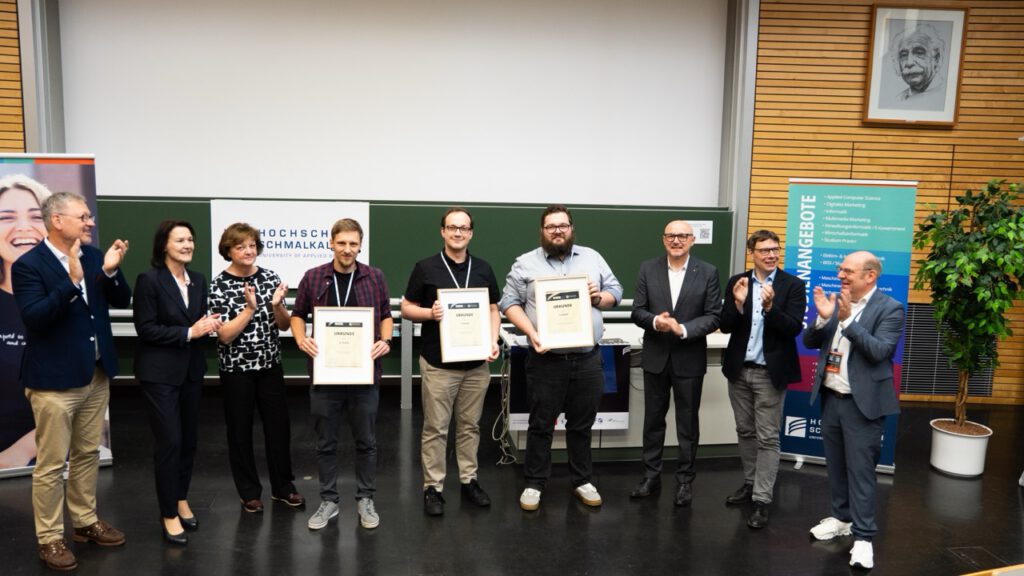
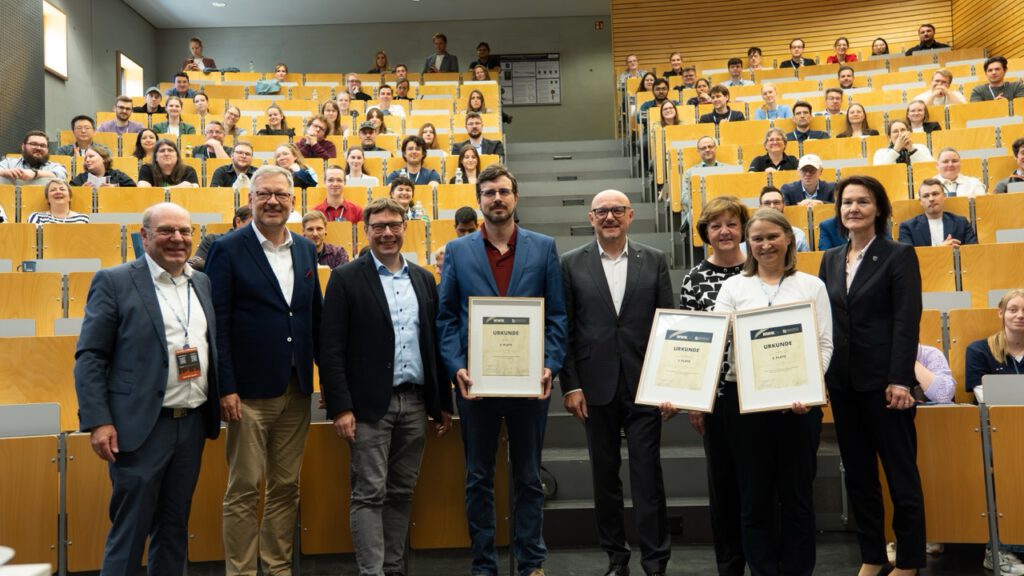
The award for best paper went to Mourice Wölbeling from Merseburg University of Applied Sciences. In his paper, titled “Influence of Various Additives on the Biotechnological Production of Medium-Chain Fatty Acids,” he addressed the question of how certain fatty acids—used, for example, in biofuels and in the food and feed industries—can be produced sustainably using biotechnological processes and within regional value chains. The study examined the suitability of sugar beet pulp and various process parameters such as pH value, oxygen supply, and the addition of different additives. Second place also went to Merseburg: Felix Drewes investigated whether whole hemp stalks can be joined in such a way that they meet specific quality requirements. Third prize went to Sven Ortmann from Anhalt University of Applied Sciences for his work on the investability of green hydrogen. The goal is a new evaluation method that realistically reflects costs and risks and explains the absence of investment better than the dominant method.
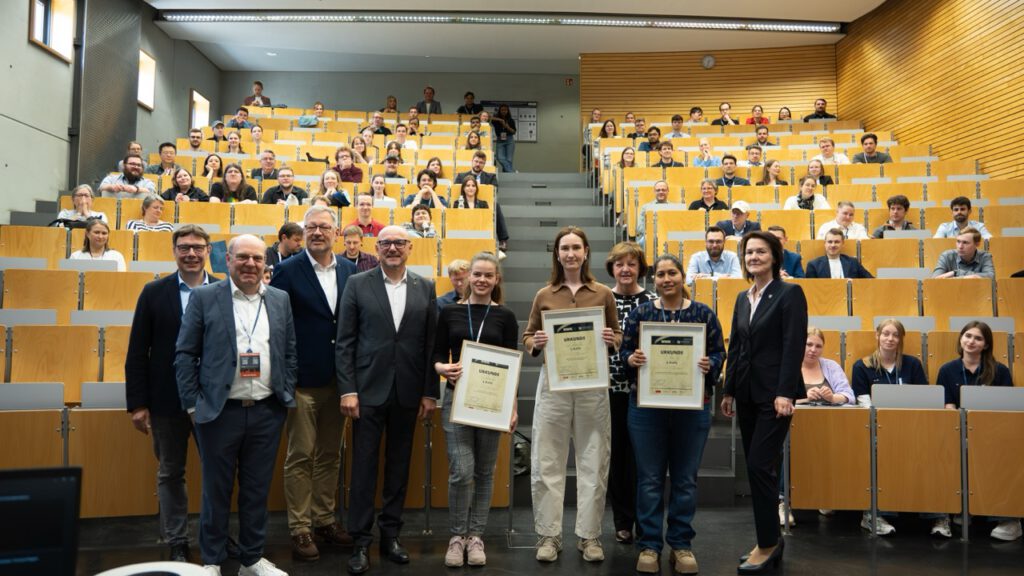
The host institution, Schmalkalden University of Applied Sciences, secured the first two prizes for best presentations. First prize went to Lukas Hauck for his presentation on “Development of a Lift-Off Mask from Filament-Based PVA Using the FDM Process Directly on Silicon Wafers.” In the context of producing microstructures used in semiconductor and microsystems engineering—for example in modern integrated microchips and sensors—the work aimed to improve a specific manufacturing process, namely the lift-off process. In this process, a sacrificial layer is first applied to a substrate and then selectively removed. Another layer is then added; this layer lies partly on the substrate—where the sacrificial layer has already been removed—and partly on the sacrificial layer itself. Dissolving the sacrificial layer then leaves only the structures directly deposited on the wafer. One problem here is sustainability, since the chemicals used entail risks. One solution is to print the mask directly onto the wafer in the form of a filament based on polyvinyl alcohol. Although the resolution still needs to be improved, the process is far more environmentally friendly and technically feasible. Not least, the 3D printing process offers considerable potential because of its flexibility. Tobias Häuser explored how specific movement patterns—especially epileptic seizures in dogs—can be detected in video recordings using neural networks. Maik Seemann from Ilmenau University of Technology won third place with his presentation. His research focused on the development and characterization of new photoswitchable molecules for use in aqueous environments. Through targeted modifications of their chemical structure, properties relevant to future applications in sensor technology and molecular switching systems were investigated.
The prizes for the best posters were awarded by the conference audience itself via an online vote. Mirjam Kraus from Wildau Technical University of Applied Sciences won first place with a poster on “Determination of the Relative Model Parameter of a Biomass-Specific Growth Model.” In biotechnological processes, the specific growth rate of biomass is an important factor. The contribution aimed to provide an alternative to the usual determination via the Luedeking–Piret model, which is time- and resource-intensive. In contrast to that approach, which relies on absolute values, the method proposed here uses relative parameters. Not only does the model work reliably in determining biomass, but because of its lower effort it is also better suited for the use of software sensors. Arti Rana from Schmalkalden University of Applied Sciences addressed anodic bonding in the integration of MEMS and the question of to what extent the bonding temperature can be reduced when using different glass variants without compromising the quality of the integrated chips, winning second prize with her poster. Melissa Berger from Mittweida University of Applied Sciences took third place: her poster focused on the interaction between pollinators and plants, in this case wild bees. The analysis of the plant species found in the pollen serves to deepen understanding of this relationship and is intended to help develop tailored strategies for animal and environmental protection.
Support
The strong participation of Schmalkalden students was especially encouraging: they contributed actively both through a total of nine contributions of their own and as an engaged audience. The lively discussions impressively demonstrated the strong interest in and high quality of the contributions. In addition, numerous students provided energetic support in the organizational implementation of the conference. The chairs who led the individual sessions were just as indispensable to the success of the conference as the reviewers.
Without this diverse commitment, staging such an event would not have been possible. The conference was also made possible through the support of Rhön-Rennsteig-Sparkasse, the City of Schmalkalden, the District of Schmalkalden-Meiningen, and last but not least the Society of Friends and Supporters of Schmalkalden University of Applied Sciences.
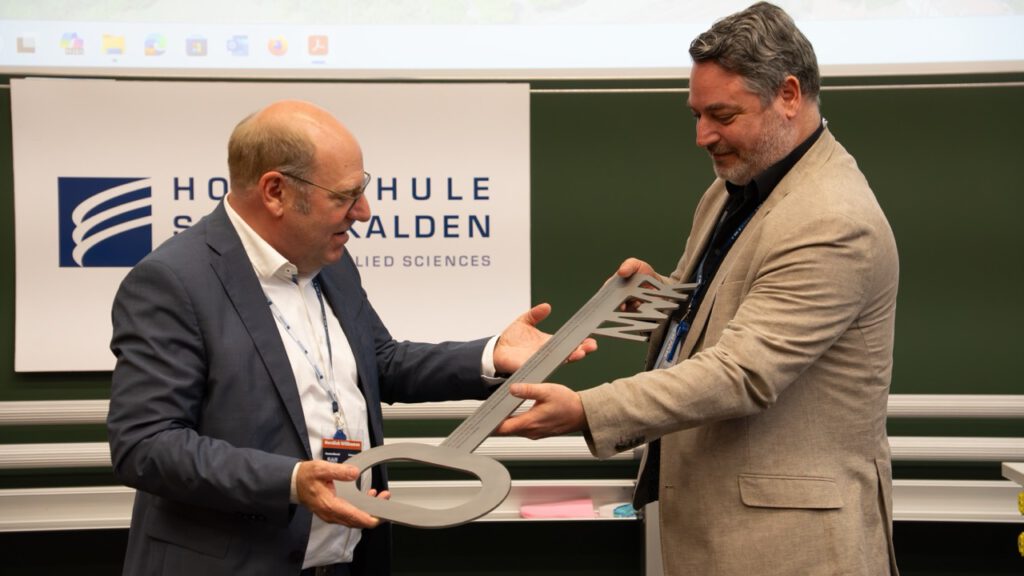
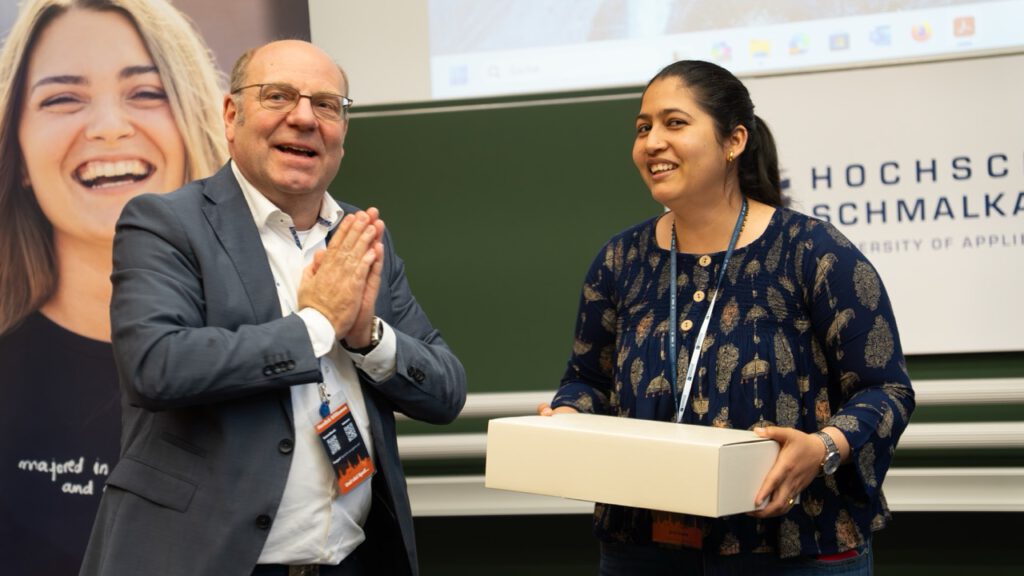
At the end of the award ceremony, the NWK key was handed over to Wildau Technical University of Applied Sciences, which will host the NWK in 2027 on 10 and 11 June. Schmalkalden University of Applied Sciences is looking forward to attending next year’s NWK as a guest—and, hopefully, with many contributions from southern Thuringia.